Loose Leash Walking Using Positive Reinforcement Training

Polly Kaiser • May 5, 2026

Share this article

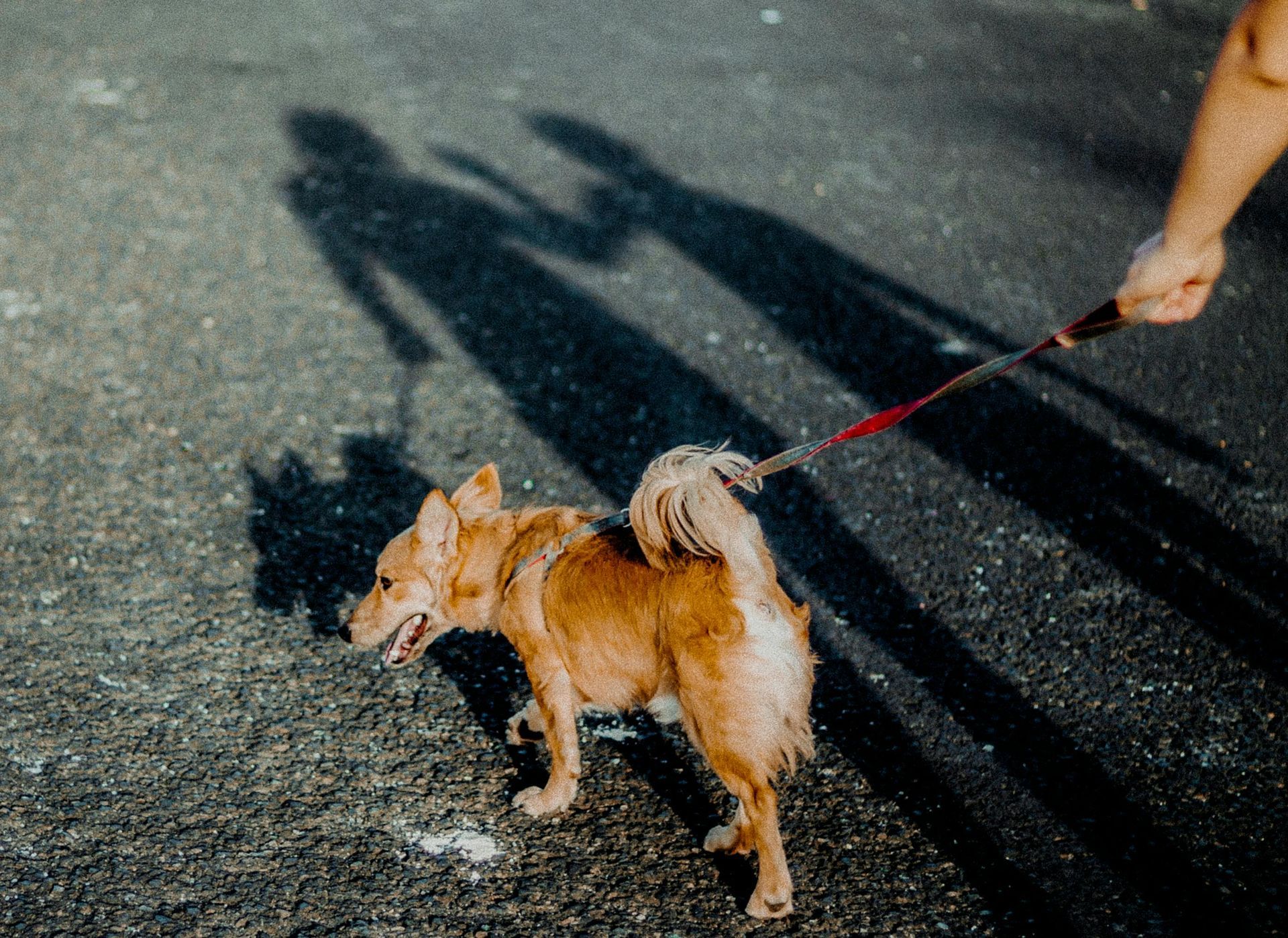
One of the most common complaints of dog guardians is that their dog tugs, pulls, or experiences leash aggression on their walks. Loose leash walking training teaches the dog that when they pull, tug or lunge their walk stops. And when they don't do those things, the walk continues.

What Is Loose Leash Walking?

Loose leash walking is where the 5ft or 6ft static leash is slack enough to form a letter J. This is the most comfortable walk for you and your dog. There is no pulling, no lunging, no tugging or zig zagging. The dog is loosely at one side and keeps pace with their guardian. This is the safest walking formation for the dog.

Why It Matters for Your Dog's Health

When the dog is walking with a loose leash, there is no pressure on the harness or collar; the leash is slack and neither the dog nor owner gets tangled or tripped. And most importantly there is no pressure on the dog's very sensitive neck. No restriction of air, no strangling and no injury to the dog. The position allows the guardian to reel their dog in gently in crowds or tight spaces for a temporary tighter heel for safety situations and to let the dog back out to sniff, explore the world and walk along with their guardian. This is accomplished by ensuring that the guardian is never the one to put any pressure on the leash.

How the Training Works

The leash should not be pulled, popped, yanked or otherwise used to steer the dog. Such actions actually cause the dog to pull more. Instead, if it is the dog who is causing the pressure on their harness or collar the walk stops…the walk only begins again when the dog turns back thus releasing the pressure on their harness or collar. The dog will quickly learn pressure equals walking stops and no pressure equals the walk continues. Most importantly the walk continues in a comfortable and pain free way.

Timing Is Everything

Timing is crucial in loose leash training for the dog to associate pressure with stopping the walk and no pressure with the reward of walking. This differs significantly with situations where people use choke or prong collars.

The Positive Reinforcement Approach

Using positive reinforcement in loose leash walking training, the walk is the treat and there is no pain administered by the guardian. Rather than trying to stop an unwanted behavior (i.e. tugging, pulling or lunging), the dog is actually learning to associate the pressure they are applying to stopping or walking comfortably when there is no pressure.

Why Avoid Choke or Prong Collars?

This differs significantly to instances when a guardian does not use positive reinforcement methods and instead pulls or pops a choke or prong collar when they want the dog to stop tugging, pulling or lunging. The dog actually learns to associate the pressure, discomfort and frequently pain with something or someone who is there when those negative things occur and so you tend to get worse behavior or you get a dog who will shutdown to avoid the pain but has not learned what is wanted of them.

Recent Posts

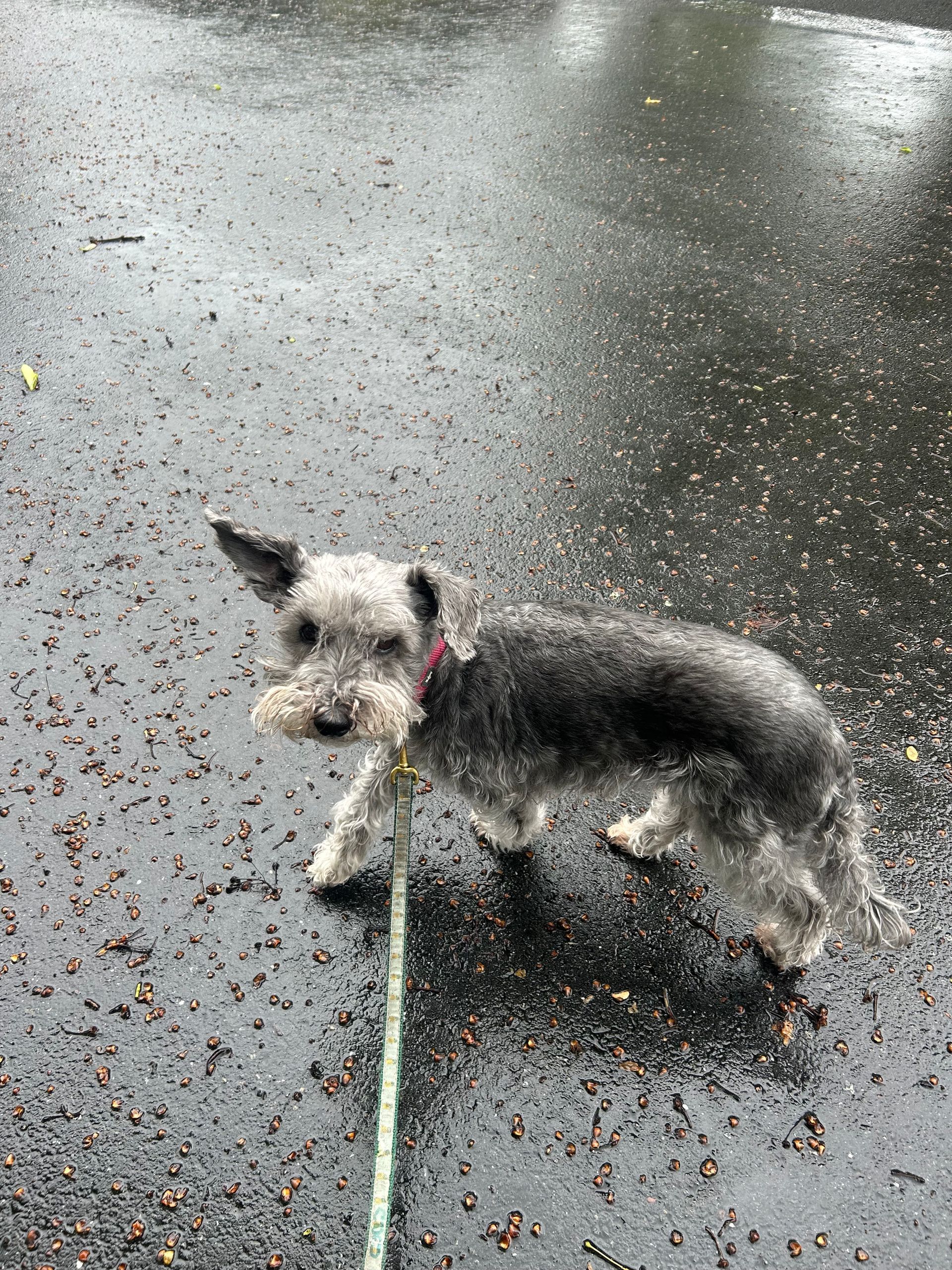
Small black-and-white dog on a leash walking on wet pavement in the rain
By Polly Kaiser May 7, 2026
Polly Kaiser of Project Fred Dog Training shares tips on the basic cues and outcomes dog parents can expect.
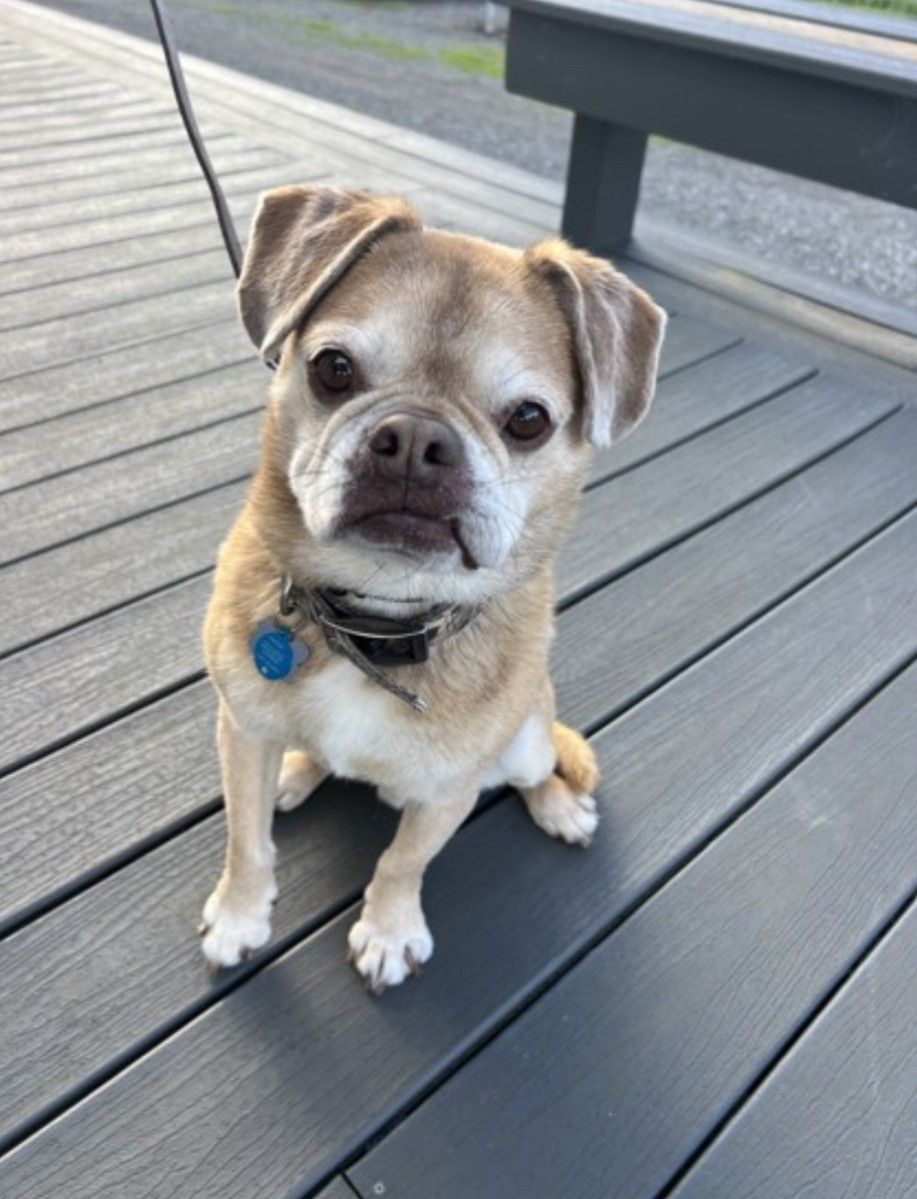
Fred sitting on a wooden deck, looking up at the camera with a blue tag on his collar.
By Polly Kaiser May 1, 2026
Discover the inspiring story behind Project Fred — how one rescue dog's journey from trauma to healing led founder Polly Kaiser to become a positive reinforcement dog trainer in Walnut Creek and the East Bay Area, CA.